AI Art: The Future of Creativity and the Boundaries We Must Protect
by LED.ART EDITORIAL
AI is rapidly expanding the scope of artistic tools. Generative models now allow the expression of colors and forms that were previously difficult to realize, opening new pathways for creative collaboration between humans and machines. Yet this expansion of possibilities also raises urgent questions about creators’ rights, copyright, and the trust that sustains the art market.
In February–March 2025, Christie’s New York held its first AI art auction, Augmented Intelligence, a case that vividly illustrates these debates. According to the study Ways of Seeing, and Selling, AI Art published on arXiv, the auction featured globally renowned artists such as Refik Anadol and Sougwen Chung, with works ranging from digital NFTs to physical pieces including oil paintings, ink drawings, and jacquard-woven tapestries.
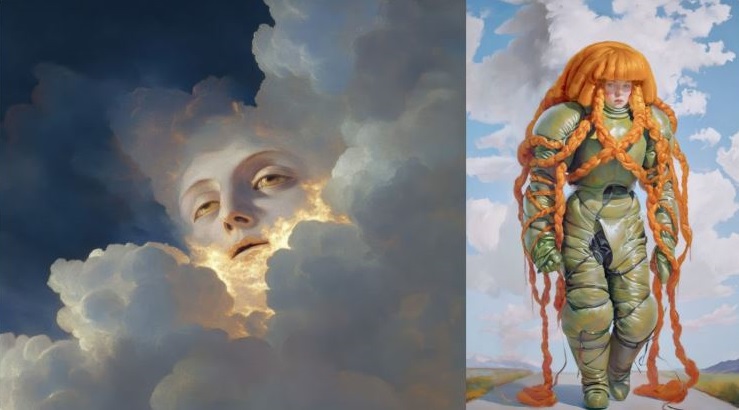
(LEFT) Golden Breath by Keke, (RIGHT) Embedding Study 2 by Holly Herndon and Mat Dryhurst
*Image courtesy of Christie’s, from Augmented Intelligence auction (2025)
*Source: https://onlineonly.christies.com/
What was particularly notable is that the auction positioned AI not as a “superintelligence” but as a tool to expand human creativity, prominently displaying each artist’s name and year of birth. This was part of a framing strategy—presenting artworks within specific social and cultural contexts so that audiences interpret and value them as art. Through curation, marketing, and presentation, framing shapes both meaning and perception. By emphasizing traditional aesthetics, authorship, and physicality, the auction created a framework in which viewers could confidently say, “This is art.”
However, even before the auction began, around 6,500 artists signed an open letter protesting copyright and data mining practices. Their message was clear: using artwork images in training datasets without permission, and producing similar outputs, is not art—it is infringement.
Why Unconsented Training and Near-Copies Are Problematic
AI models can replicate an original work’s composition, palette, and texture. This makes it easy for audiences to confuse generated works with originals, potentially damaging both the market and the brand value of the original artist. More critically, three problems tend to occur simultaneously: Lack of creator consent, Absence of a compensation system, and Omission of attribution.
Together, these undermine the most essential foundation of the creative ecosystem: trust. Even as technology advances rapidly, without respecting creators’ rights the ecosystem cannot remain sustainable.
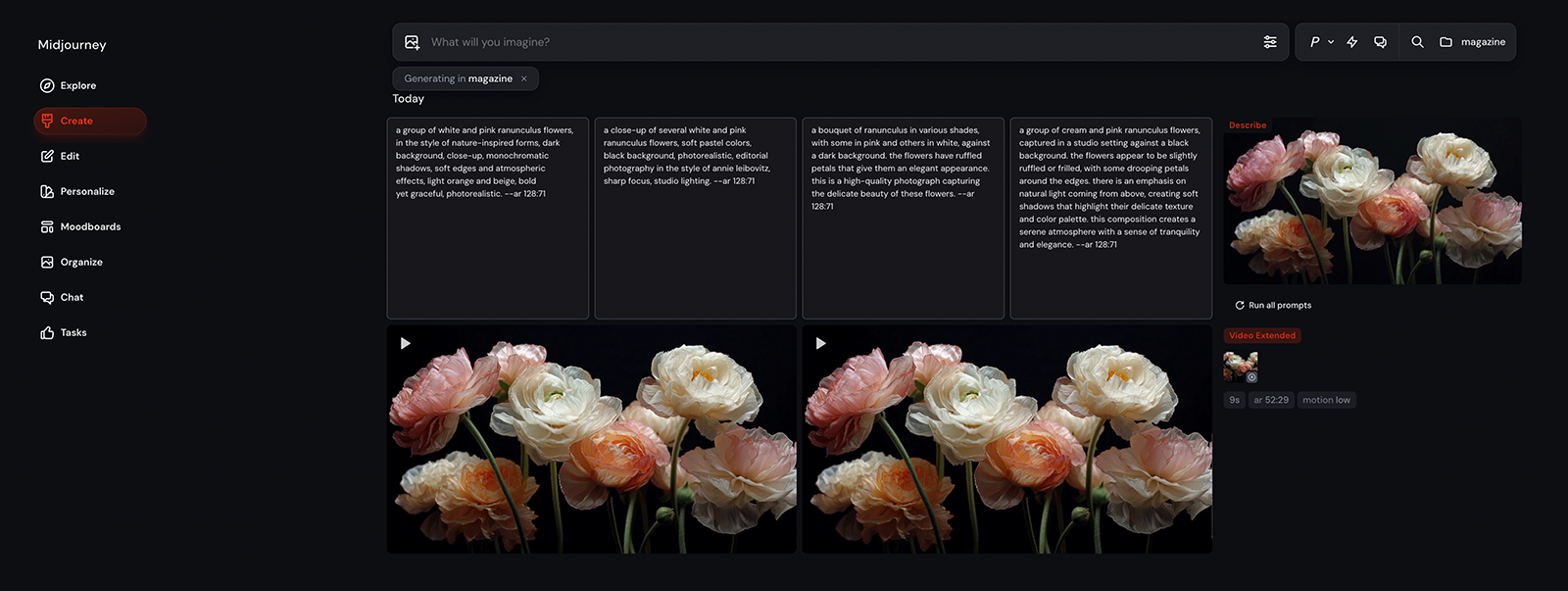
Five Principles for AI in the Arts
The use of AI as a creative tool cannot be stopped. In fact, it is an irreversible trend of our time—and that makes it all the more important to use it responsibly. The following principles must be upheld:
Explicit Consent – Secure the creator’s prior approval before using works for training or production.
Transparent Data Provenance – Disclose the sources and composition of training datasets. Fair Compensation – Pay usage-based royalties proportionate to each creator’s contribution.
Attribution and Credit – Record original sources and contributors in metadata and descriptions.
Limits on Deliberate Imitation – Prohibit works so similar to originals that they cause confusion or replace their market.
These principles are the minimum safeguards necessary to protect creators’ livelihoods, preserve market trust, and ensure innovation continues in a sustainable direction.
Between Tradition and Innovation
Ways of Seeing, and Selling, AI Art offers a striking observation. As John Berger once wrote, “Publicity is, in essence, nostalgic.” AI art, too, often draws on past aesthetics and traditions to generate commercial value in the present. The danger lies in allowing this packaging to blur ethical boundaries.
The future of AI art depends not on technology alone but on framing—the contexts and standards we establish. Depending on these choices, AI may either become a tool that expands artistic horizons or one that undermines creators’ rights. AI is an unstoppable current, but only when used with respect and responsibility can it truly expand the value of art. Ultimately, innovation in art finds meaning not in unrestricted replication, but in creativity rooted in accountability and care.



AI Art: The Future of Creativity and the Boundaries We Must Protect
by LED.ART EDITORIAL
AI is rapidly expanding the scope of artistic tools. Generative models now allow the expression of colors and forms that were previously difficult to realize, opening new pathways for creative collaboration between humans and machines. Yet this expansion of possibilities also raises urgent questions about creators’ rights, copyright, and the trust that sustains the art market.
In February–March 2025, Christie’s New York held its first AI art auction, Augmented Intelligence, a case that vividly illustrates these debates. According to the study Ways of Seeing, and Selling, AI Art published on arXiv, the auction featured globally renowned artists such as Refik Anadol and Sougwen Chung, with works ranging from digital NFTs to physical pieces including oil paintings, ink drawings, and jacquard-woven tapestries.
(LEFT) Golden Breath by Keke, (RIGHT) Embedding Study 2 by Holly Herndon and Mat Dryhurst
*Image courtesy of Christie’s, from Augmented Intelligence auction (2025)
*Source: https://onlineonly.christies.com/
What was particularly notable is that the auction positioned AI not as a “superintelligence” but as a tool to expand human creativity, prominently displaying each artist’s name and year of birth. This was part of a framing strategy—presenting artworks within specific social and cultural contexts so that audiences interpret and value them as art. Through curation, marketing, and presentation, framing shapes both meaning and perception. By emphasizing traditional aesthetics, authorship, and physicality, the auction created a framework in which viewers could confidently say, “This is art.”
However, even before the auction began, around 6,500 artists signed an open letter protesting copyright and data mining practices. Their message was clear: using artwork images in training datasets without permission, and producing similar outputs, is not art—it is infringement.
Why Unconsented Training and Near-Copies Are Problematic
AI models can replicate an original work’s composition, palette, and texture. This makes it easy for audiences to confuse generated works with originals, potentially damaging both the market and the brand value of the original artist. More critically, three problems tend to occur simultaneously: Lack of creator consent, Absence of a compensation system, and Omission of attribution.
Together, these undermine the most essential foundation of the creative ecosystem: trust. Even as technology advances rapidly, without respecting creators’ rights the ecosystem cannot remain sustainable.
Five Principles for AI in the Arts
The use of AI as a creative tool cannot be stopped. In fact, it is an irreversible trend of our time—and that makes it all the more important to use it responsibly. The following principles must be upheld:
Explicit Consent – Secure the creator’s prior approval before using works for training or production.
Transparent Data Provenance – Disclose the sources and composition of training datasets. Fair Compensation – Pay usage-based royalties proportionate to each creator’s contribution.
Attribution and Credit – Record original sources and contributors in metadata and descriptions.
Limits on Deliberate Imitation – Prohibit works so similar to originals that they cause confusion or replace their market.
These principles are the minimum safeguards necessary to protect creators’ livelihoods, preserve market trust, and ensure innovation continues in a sustainable direction.
Between Tradition and Innovation
Ways of Seeing, and Selling, AI Art offers a striking observation. As John Berger once wrote, “Publicity is, in essence, nostalgic.” AI art, too, often draws on past aesthetics and traditions to generate commercial value in the present. The danger lies in allowing this packaging to blur ethical boundaries.
The future of AI art depends not on technology alone but on framing—the contexts and standards we establish. Depending on these choices, AI may either become a tool that expands artistic horizons or one that undermines creators’ rights. AI is an unstoppable current, but only when used with respect and responsibility can it truly expand the value of art. Ultimately, innovation in art finds meaning not in unrestricted replication, but in creativity rooted in accountability and care.