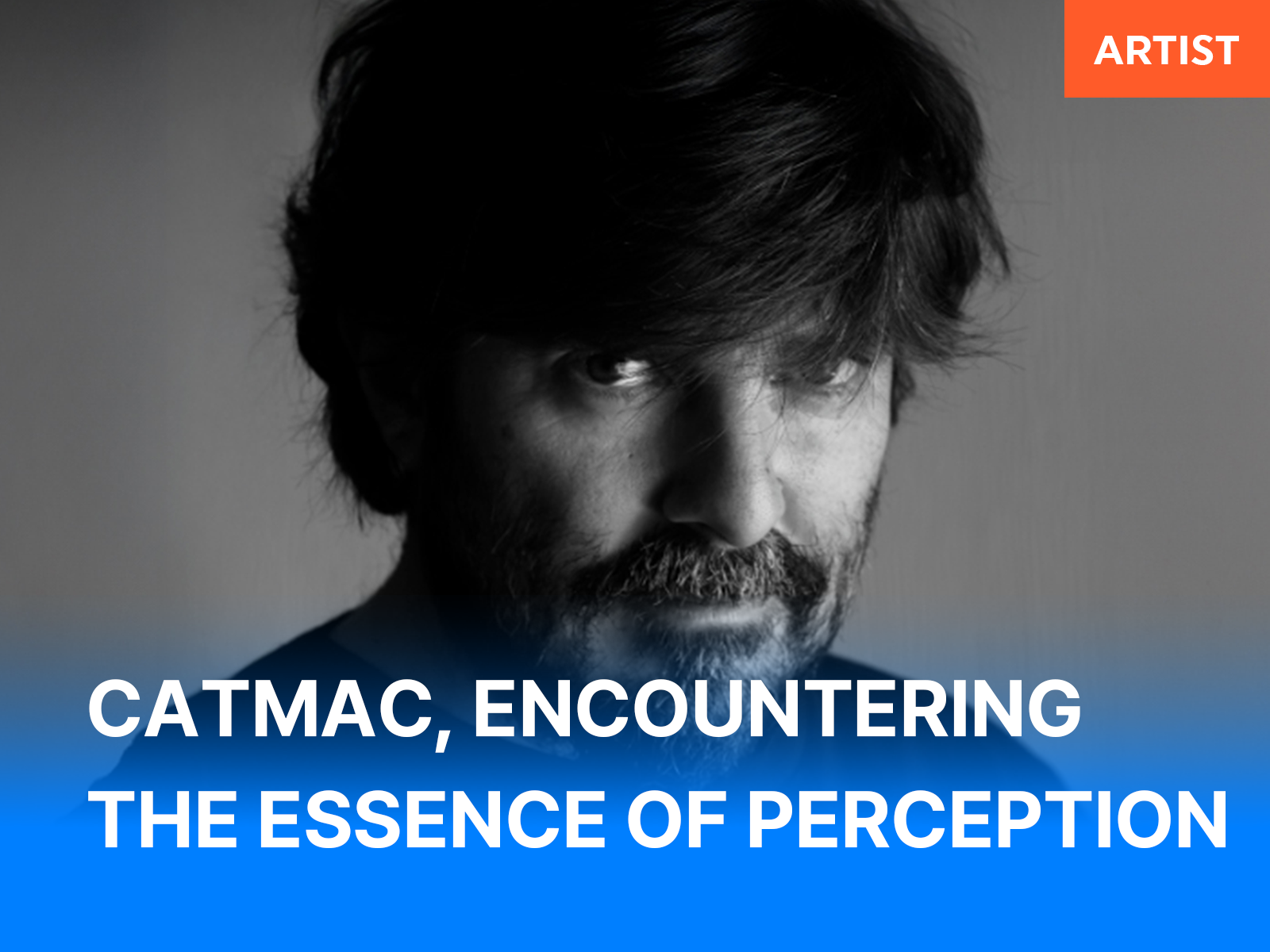
Encountering the Essence of Perception Within Landscapes in Motion – CATMAC interview
by LED.ART EDITORIAL
In the realm of digital art that transcends physical boundaries, CATMAC (Marcos Fernandez) is a visual artist who expands movement itself into a sensory experience.
His works recompose static everyday scenes into digital loop animations, unfolding as endless “poems of motion.”. Through his art, CATMAC explores the point at which the boundary between physical reality and digital perception begins to dissolve, posing a fundamental question: How can art reconnect emotion and consciousness in this hybrid space?
In this interview, CATMAC reflects on the essence of perception embodied in his “Landscapes in Motion” and the psychological role of art in the digital age.
Q1. Please introduce yourself briefly.
I’m Catmac, also known as Marcos Fernández, a digital visual artist based in Madrid. My work focuses on large-scale, immersive animations designed for electronic music shows, architectural façades, and media installations. I’ve collaborated with international artists, festivals, and institutions, creating pieces that combine the precision of digital design with the unpredictability of natural forms.
Q2. What led you to become a 3D media artist?
I originally studied the psychology of perception, but I realized that digital images could become a much more direct way to explore how people experience reality. Around 2011 I fully shifted into digital art, fascinated by how repetition, rhythm, and scale in moving images could alter perception in ways similar to music or architecture. That decision turned what was a personal exploration into a professional path.
Q3. Where do you usually find inspiration for your work?
Architecture and nature are my main references. Brutalist buildings, abandoned industrial structures, and decayed urban environments give me a sense of scale and geometry, while landscapes, waves, and organic growth bring contrast and softness.
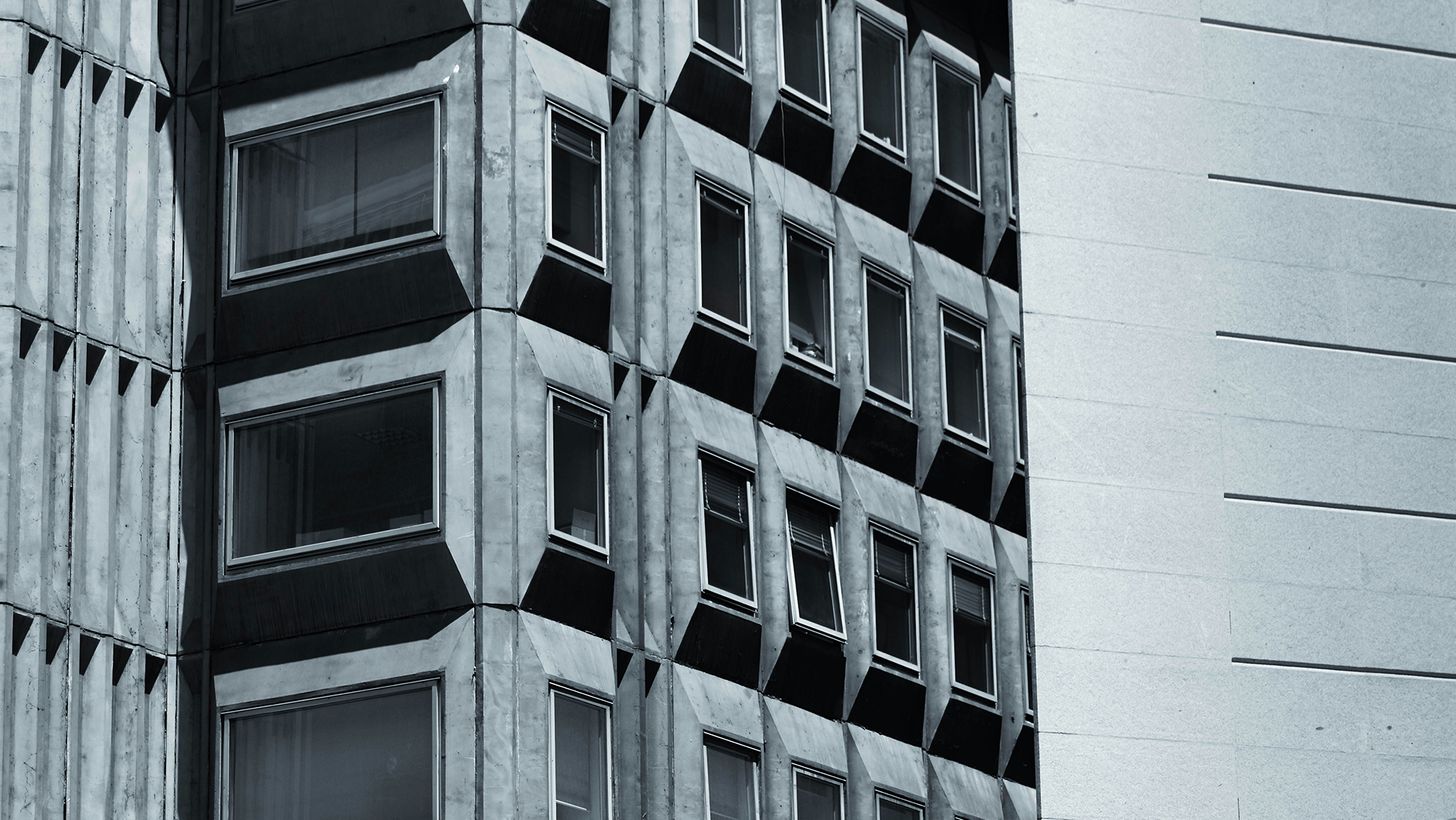
Brutalist Architecture Photo by Unsplash
Music is another key influence — many of my ideas come while listening to electronic tracks and imagining the visuals as part of the sound. I also look at the work of other digital artists on platforms like Artstation or LED.ART, which helps me situate my own work within a larger community.
Q4. Are there any artists or works that you consider role models or find particularly impactful? And Why?
Yes. I admire Vitaly Bulgarov for his mastery of detail and futuristic design, Paul Chadeisson for his vast, cinematic worlds, and Beeple — whose work I’ve followed closely since 2012 — for his consistency and ability to shape the visual language of digital culture. All of them, in different ways, showed me that digital art can stand on its own, independent of traditional mediums, and still connect with broad audiences.
Q5. What tools or software do you mainly use in your creative process?
I mainly work with Blender, especially geometry nodes and procedural workflows. It allows me to design complex structures and fluid movements without relying on prebuilt assets. I use After Effects and other tools for compositing and editing, but Blender is central. Its main advantage is flexibility and open-source accessibility; the challenge is that rendering at very large resolutions — sometimes 20,000 pixels wide for immersive formats — demands a lot of technical problem-solving.
Q6. Is there a particular message or emotion you hope to convey through your work?
I’m interested in creating “landscapes in motion.” My works are designed as loops, with no clear beginning or end, to generate a hypnotic, almost meditative effect. At the same time, I like to keep a sense of unease — something slightly uncanny beneath the surface. I don’t want to deliver a fixed message but rather to place the viewer in an environment that shifts between beauty and strangeness, making them question how they perceive time and space.
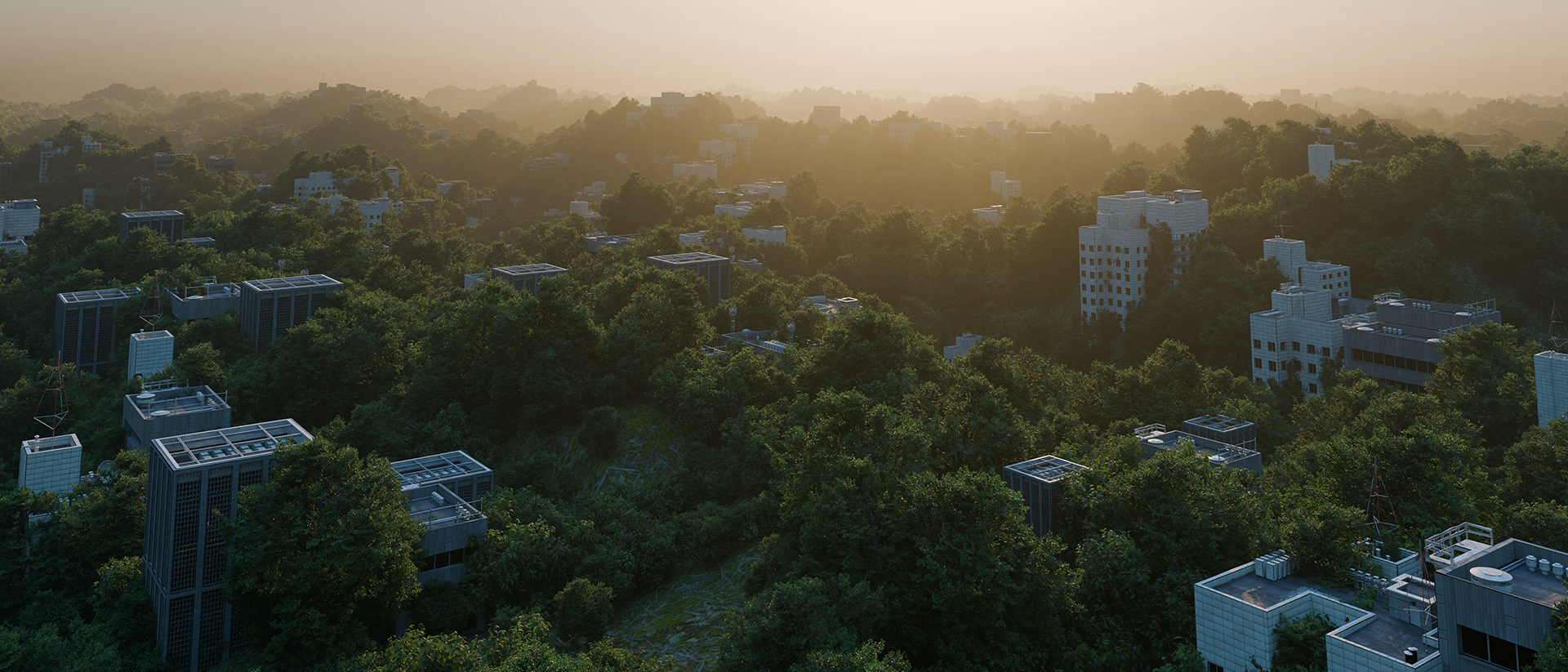
ONYARO WAVES #3 by Catmac
Q7. Among your own works, which one are you most attached to and why?
One that stands out for me is Onyro Waves. It combines fluid natural motion with digital abstraction in a way that feels very close to the core of my practice. It’s minimal yet immersive, and it opened a path for me to explore a whole series of works where water, movement, and architecture meet.
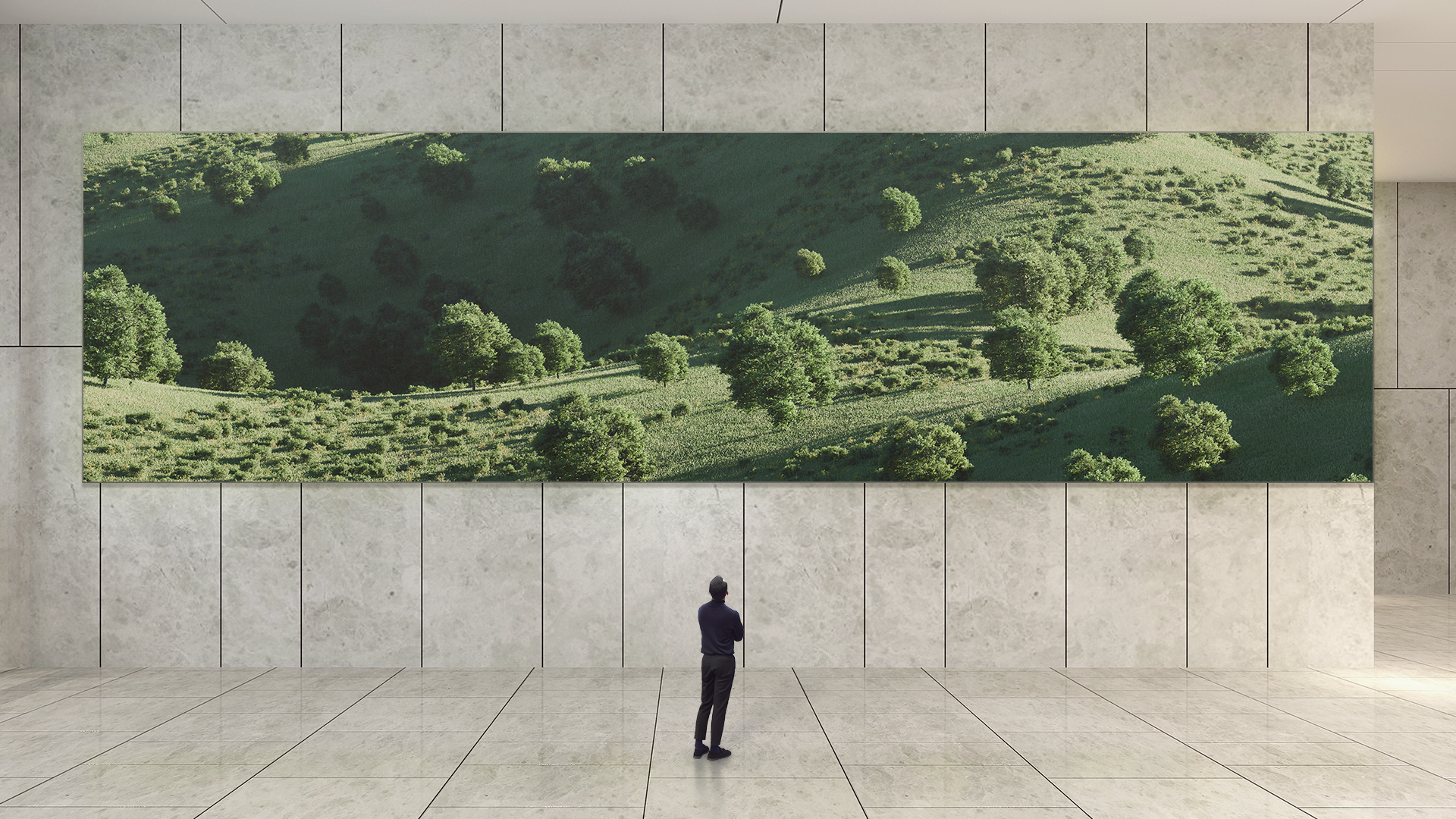
ONYARO WAVES #5 by Catmac
Q8. What has been your greatest challenge as an artist, and how did you overcome it?
The biggest challenge has been building a sustainable career while remaining true to my artistic language. The art and entertainment industries often push toward trends or fast results, and I’ve had to resist diluting my work into something more generic. The way I’ve overcome this is by being consistent over many years, focusing on developing a recognizable style and cultivating long-term collaborations with clients and platforms that value that approach.
Q9. Could you share any memorable experiences from exhibitions, collaborations, or awards?
One important milestone was presenting my work at the Grand Palais Immersif in Paris during Artificial Dreams II, where my pieces were shown alongside major international artists. Another memorable experience has been creating visuals for musicians such as Amelie Lens, Arbat, Mind Against, Korn, and Earth, Wind & Fire — very different audiences, yet the visuals managed to resonate in all those contexts. These moments confirmed that digital art can cross borders between music, design, and fine art.
Q10. Are there any trends or changes in the digital art scene that you’re currently paying attention to?
I follow the rapid growth of immersive formats — domes, 360° rooms, and media towers are becoming key sites for digital art. I also pay attention to the rise of AI-assisted workflows, though I approach them with caution. I believe they can be useful tools, but they also risk standardizing aesthetics. The challenge for digital artists now is to keep a distinctive voice in an environment where technology is evolving faster than ever.
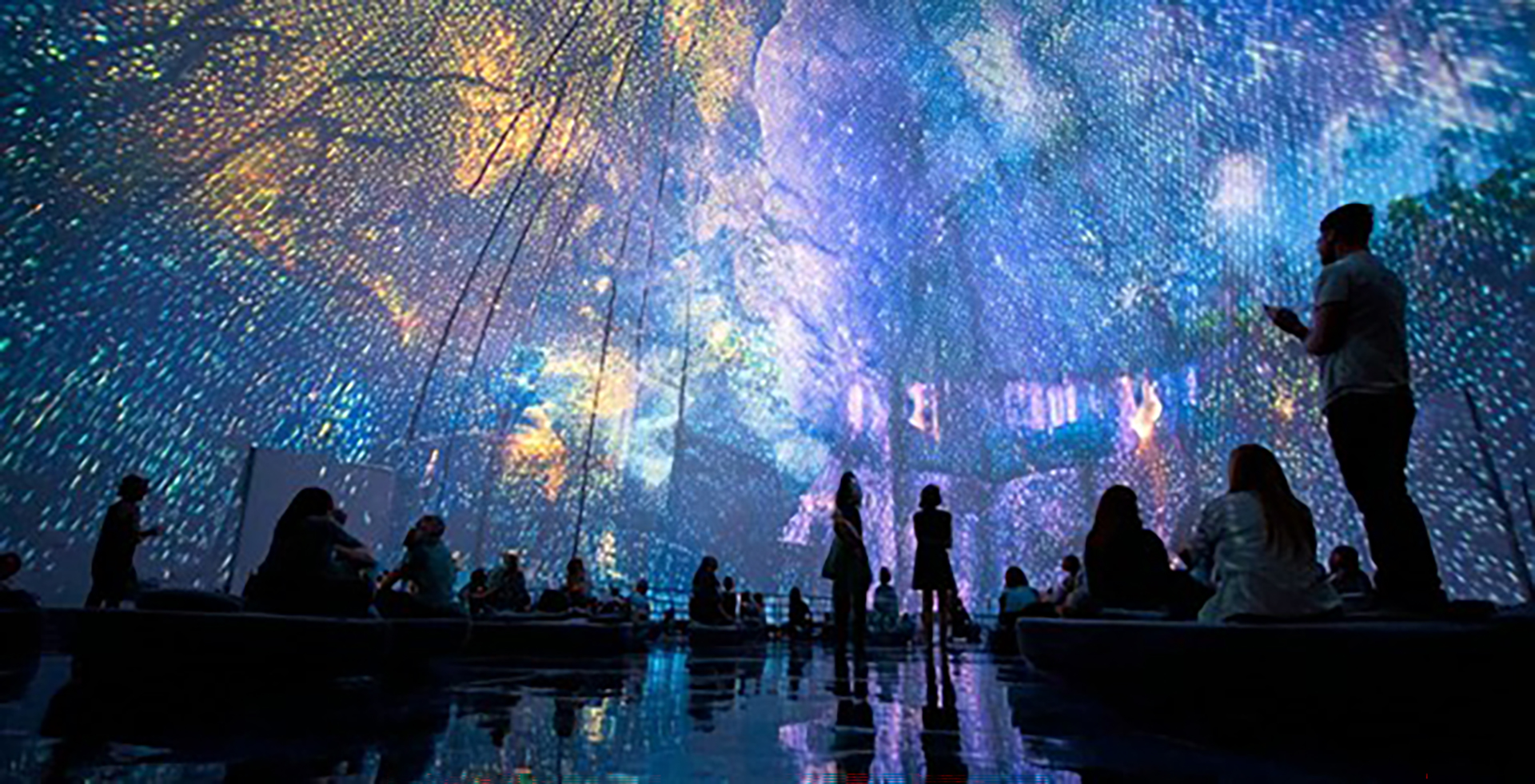
AI-generated image created with Midjourney
Q11. Is there anything you hope to see from LED.ART in the future, or any role you’d like it to play?
I’d like LED.ART to continue acting as a serious platform for digital art, not just a marketplace. That means fair royalties, long-term support for artists, and curated selections that highlight diversity in approaches rather than just popularity. It can play a crucial role in giving visibility to work that doesn’t necessarily fit into mainstream channels but still pushes the language of digital media forward.
Q12. What are your upcoming plans or artistic goals?
I’m currently developing a series of immersive 360° video loops for exhibitions and projection environments. My goal is to deepen the dialogue between architectural scale and organic motion, creating works that can live both in music contexts and in dedicated art spaces. I also want to expand my presence internationally, with new projects planned in Europe, Asia, and the Middle East.


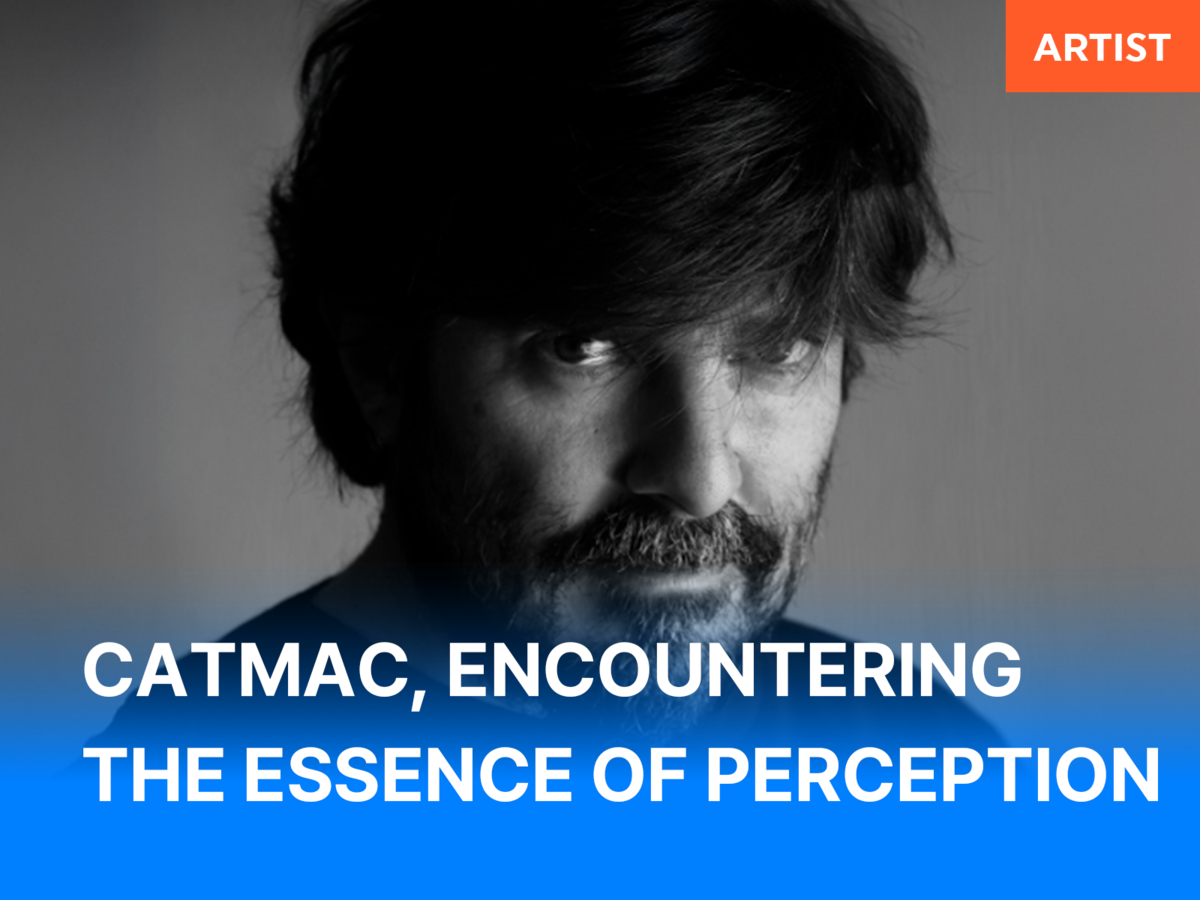

Encountering the Essence of Perception Within Landscapes in Motion – CATMAC interview
by LED.ART EDITORIAL
In the realm of digital art that transcends physical boundaries, CATMAC (Marcos Fernandez) is a visual artist who expands movement itself into a sensory experience.
His works recompose static everyday scenes into digital loop animations, unfolding as endless “poems of motion.”. Through his art, CATMAC explores the point at which the boundary between physical reality and digital perception begins to dissolve, posing a fundamental question: How can art reconnect emotion and consciousness in this hybrid space?
In this interview, CATMAC reflects on the essence of perception embodied in his “Landscapes in Motion” and the psychological role of art in the digital age.
Q1. Please introduce yourself briefly.
I’m Catmac, also known as Marcos Fernández, a digital visual artist based in Madrid. My work focuses on large-scale, immersive animations designed for electronic music shows, architectural façades, and media installations. I’ve collaborated with international artists, festivals, and institutions, creating pieces that combine the precision of digital design with the unpredictability of natural forms.
Q2. What led you to become a 3D media artist?
I originally studied the psychology of perception, but I realized that digital images could become a much more direct way to explore how people experience reality. Around 2011 I fully shifted into digital art, fascinated by how repetition, rhythm, and scale in moving images could alter perception in ways similar to music or architecture. That decision turned what was a personal exploration into a professional path.
Q3. Where do you usually find inspiration for your work?
Architecture and nature are my main references. Brutalist buildings, abandoned industrial structures, and decayed urban environments give me a sense of scale and geometry, while landscapes, waves, and organic growth bring contrast and softness.
Brutalist Architecture Photo by Unsplash
Music is another key influence — many of my ideas come while listening to electronic tracks and imagining the visuals as part of the sound. I also look at the work of other digital artists on platforms like Artstation or LED.ART, which helps me situate my own work within a larger community.
Q4. Are there any artists or works that you consider role models or find particularly impactful? And Why?
Yes. I admire Vitaly Bulgarov for his mastery of detail and futuristic design, Paul Chadeisson for his vast, cinematic worlds, and Beeple — whose work I’ve followed closely since 2012 — for his consistency and ability to shape the visual language of digital culture. All of them, in different ways, showed me that digital art can stand on its own, independent of traditional mediums, and still connect with broad audiences.
Q5. What tools or software do you mainly use in your creative process?
I mainly work with Blender, especially geometry nodes and procedural workflows. It allows me to design complex structures and fluid movements without relying on prebuilt assets. I use After Effects and other tools for compositing and editing, but Blender is central. Its main advantage is flexibility and open-source accessibility; the challenge is that rendering at very large resolutions — sometimes 20,000 pixels wide for immersive formats — demands a lot of technical problem-solving.
Q6. Is there a particular message or emotion you hope to convey through your work?
I’m interested in creating “landscapes in motion.” My works are designed as loops, with no clear beginning or end, to generate a hypnotic, almost meditative effect. At the same time, I like to keep a sense of unease — something slightly uncanny beneath the surface. I don’t want to deliver a fixed message but rather to place the viewer in an environment that shifts between beauty and strangeness, making them question how they perceive time and space.
ONYARO WAVES #3 by Catmac
Q7. Among your own works, which one are you most attached to and why?
One that stands out for me is Onyro Waves. It combines fluid natural motion with digital abstraction in a way that feels very close to the core of my practice. It’s minimal yet immersive, and it opened a path for me to explore a whole series of works where water, movement, and architecture meet.
ONYARO WAVES #5 by Catmac
Q8. What has been your greatest challenge as an artist, and how did you overcome it?
The biggest challenge has been building a sustainable career while remaining true to my artistic language. The art and entertainment industries often push toward trends or fast results, and I’ve had to resist diluting my work into something more generic. The way I’ve overcome this is by being consistent over many years, focusing on developing a recognizable style and cultivating long-term collaborations with clients and platforms that value that approach.
Q9. Could you share any memorable experiences from exhibitions, collaborations, or awards?
One important milestone was presenting my work at the Grand Palais Immersif in Paris during Artificial Dreams II, where my pieces were shown alongside major international artists. Another memorable experience has been creating visuals for musicians such as Amelie Lens, Arbat, Mind Against, Korn, and Earth, Wind & Fire — very different audiences, yet the visuals managed to resonate in all those contexts. These moments confirmed that digital art can cross borders between music, design, and fine art.
Q10. Are there any trends or changes in the digital art scene that you’re currently paying attention to?
I follow the rapid growth of immersive formats — domes, 360° rooms, and media towers are becoming key sites for digital art. I also pay attention to the rise of AI-assisted workflows, though I approach them with caution. I believe they can be useful tools, but they also risk standardizing aesthetics. The challenge for digital artists now is to keep a distinctive voice in an environment where technology is evolving faster than ever.
AI-generated image created with Midjourney
Q11. Is there anything you hope to see from LED.ART in the future, or any role you’d like it to play?
I’d like LED.ART to continue acting as a serious platform for digital art, not just a marketplace. That means fair royalties, long-term support for artists, and curated selections that highlight diversity in approaches rather than just popularity. It can play a crucial role in giving visibility to work that doesn’t necessarily fit into mainstream channels but still pushes the language of digital media forward.
Q12. What are your upcoming plans or artistic goals?
I’m currently developing a series of immersive 360° video loops for exhibitions and projection environments. My goal is to deepen the dialogue between architectural scale and organic motion, creating works that can live both in music contexts and in dedicated art spaces. I also want to expand my presence internationally, with new projects planned in Europe, Asia, and the Middle East.